.svg "logo (1)")








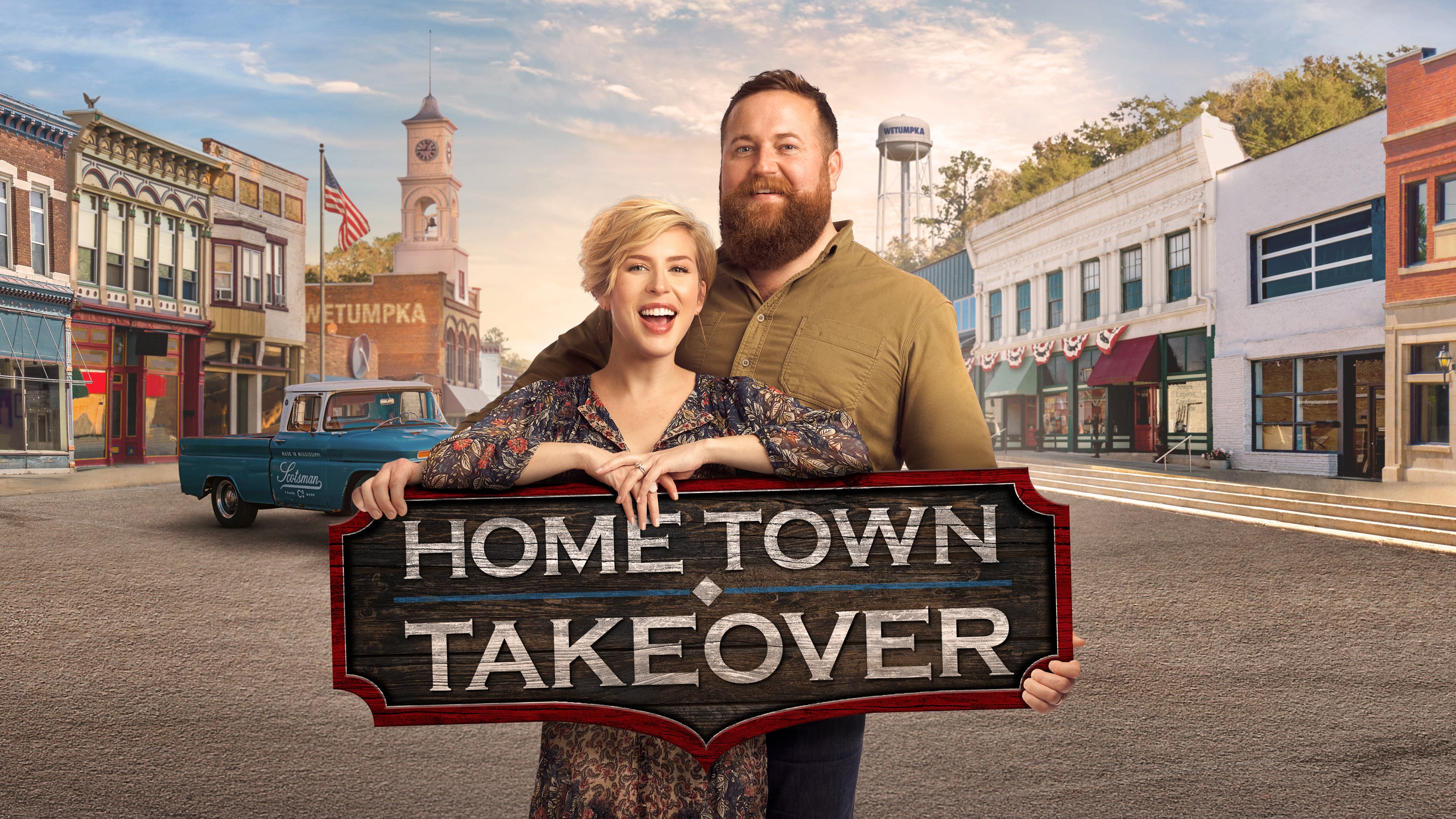
How a small town, a television show and the power of belief sparked a national conversation on what it means to restore — not just buildings — but community.
"Every house has a history, it has a story." — Ben Napier
The House with Yellow Shutters
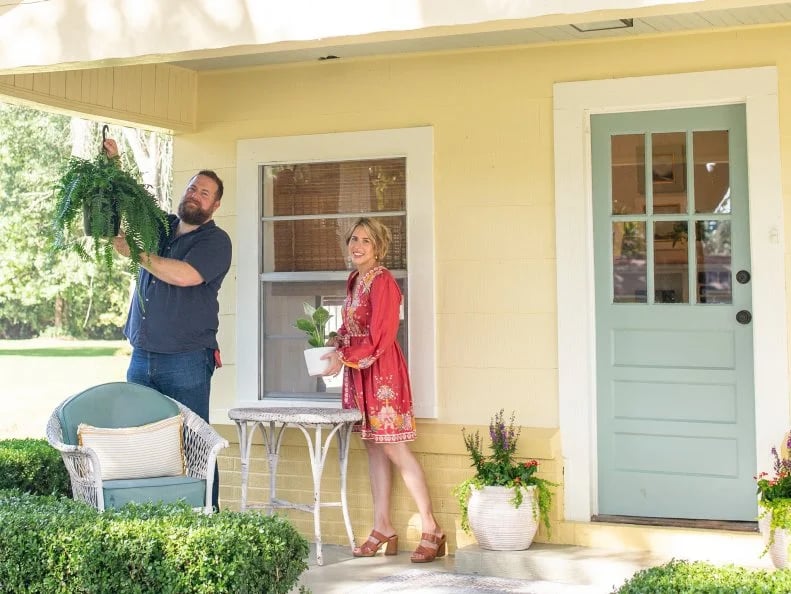
The house wasn’t much to look at.
Peeling paint, soft wood and a crooked porch that creaked under your feet. In another town, it would’ve been bulldozed. But in Laurel, Mississippi, Ben and Erin Napier saw something else.
They saw home.
In 2011, Erin was designing wedding invitations on her lunch hour in the tiny cubicle of her day job. Ben, a youth minister with a talent for woodworking, was dreaming up furniture in their garage. But what they were really building was a future rooted in something deeper: faith in their town, in each other, and in the idea that you can rebuild more than a house. You can rebuild a community.
HGTV’s Home Town would eventually make that yellow house and its soft-spoken artists famous. But the real story started long before the cameras showed up.
It started with a yes.
Dreamers Don’t Work Alone
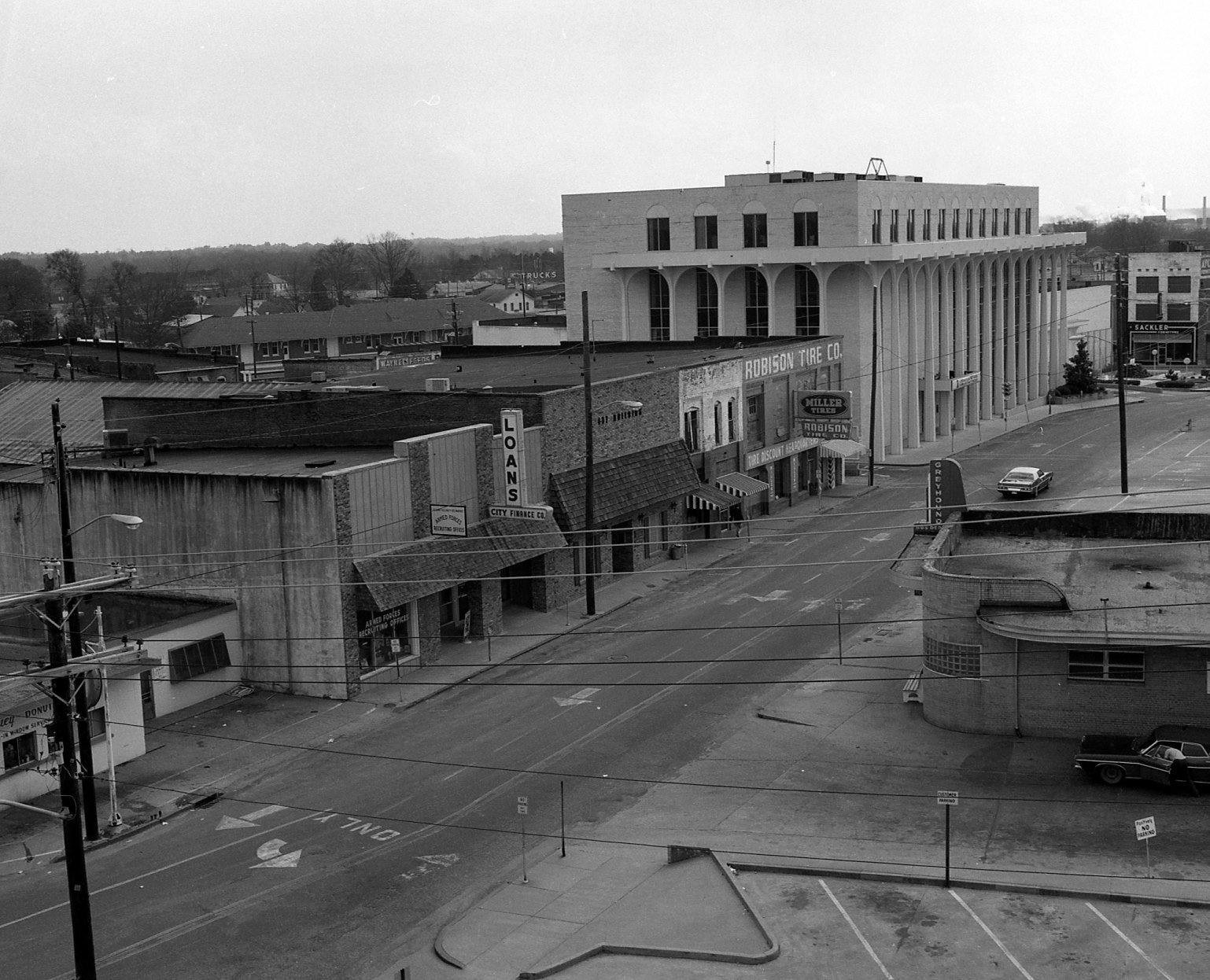 Photo from downtownlaurel.com
Erin once described Laurel as “a pretty girl who doesn’t know she’s pretty.” Like many small towns across America, it had been quietly bleeding potential for years. Families left, storefronts emptied and real estate values sank. But in the quiet, Ben and Erin saw echoes of something familiar and worth saving.
They bought their first home for $30 a square foot — a price tag that spoke volumes about where Laurel had been. Renovating it took grit, vision and an investment no spreadsheet would endorse. But a local banker who’d watched them grow up chose trust over risk.
“It’s a risk every single time… but without them, we could not do what we did.” — Ben Napier
Laurel didn’t just need a makeover. It needed believers. Those believers sat in community banks, city hall offices, family-owned lumber yards and aging front porches. They said yes when the odds said no. And because of them, light returned to once-abandoned streets.
Ben and Erin’s belief turned contagious. Locals who’d written off downtown began to come back. Friends opened businesses in buildings once written off as lost causes. New paint didn’t just cover old bricks — it signaled new beginnings.
The Power of Saying Yes
.jpeg?width=5712&height=4284&name=IMG_2369%20(1).jpeg) Scott Pickering, Andy Ivankovich, Matt Mayo
Scott Pickering, Andy Ivankovich, Matt Mayo
In every transformation story, there’s a moment that separates vision from reality. A door swings open — or it doesn’t. In Laurel’s story, Community Bank was that open door.
Long before cameras rolled and before anyone imagined an HGTV spotlight, the team at Community Bank had already committed to saying yes to possibility, to partnership, and most importantly, to people.
Matt Mayo, Chief Banking Officer, remembers it clearly:
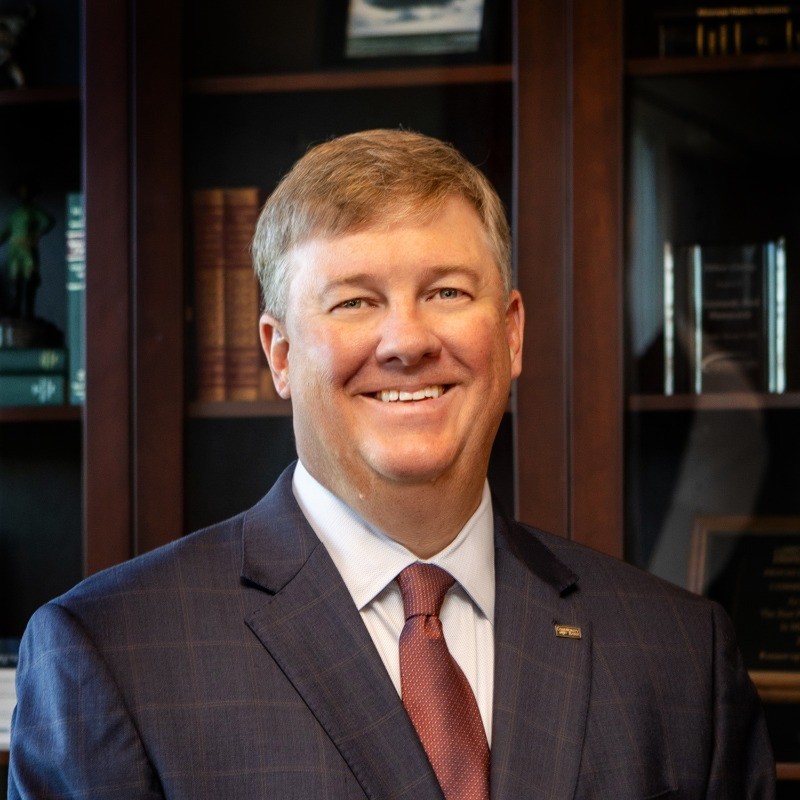
"Somebody has to be the first yes for everybody. And generally, if we get to be the first yes, we also get to be the second and the third yes in their lives too."
To most lenders, a request to fund a renovation on a crumbling house with sky-high per-foot costs in a town where homes were selling for $30 to $40 a square foot would have been a hard no. “At face value,” Mayo admits, “it doesn’t make sense.” But to Matt, it wasn’t just a house. It was a statement of belief. It was about building a town, a future a legacy.
“We’re not just handing out money,” he explained. “This is a repeatable, reliable, profitable process that works. And it does what we say it does. We don’t build based on short-term numbers. We build based on long-term relationships.”
Scott Pickering, CEO of Community Bank’s Pine Belt Region, echoed that commitment. “We had to front all the money up front, unlike traditional loans,” he said. “These were people we didn’t know, except for Ben and Erin. But we understood the bigger picture: this wasn’t about a show. This was about Laurel.”
The reality was stark. Property values were low, the regulatory framework was tight, and the financials didn’t line up on paper. But the Community Bank team sat down at the table anyway. “The fiber of our bank is to figure out a way to look someone in the eye and say yes,” Pickering said. “It might not be in the way they asked. But our job is to understand the root of their dream; and find a way to walk with them to it.”
These weren’t abstract borrowers in far-off zip codes. These were neighbors, families from church, and parents from the ballfield. The team at Community Bank wasn’t just funding homes; they were investing in the people they lived life with.
That made the risk real, but also worth it.
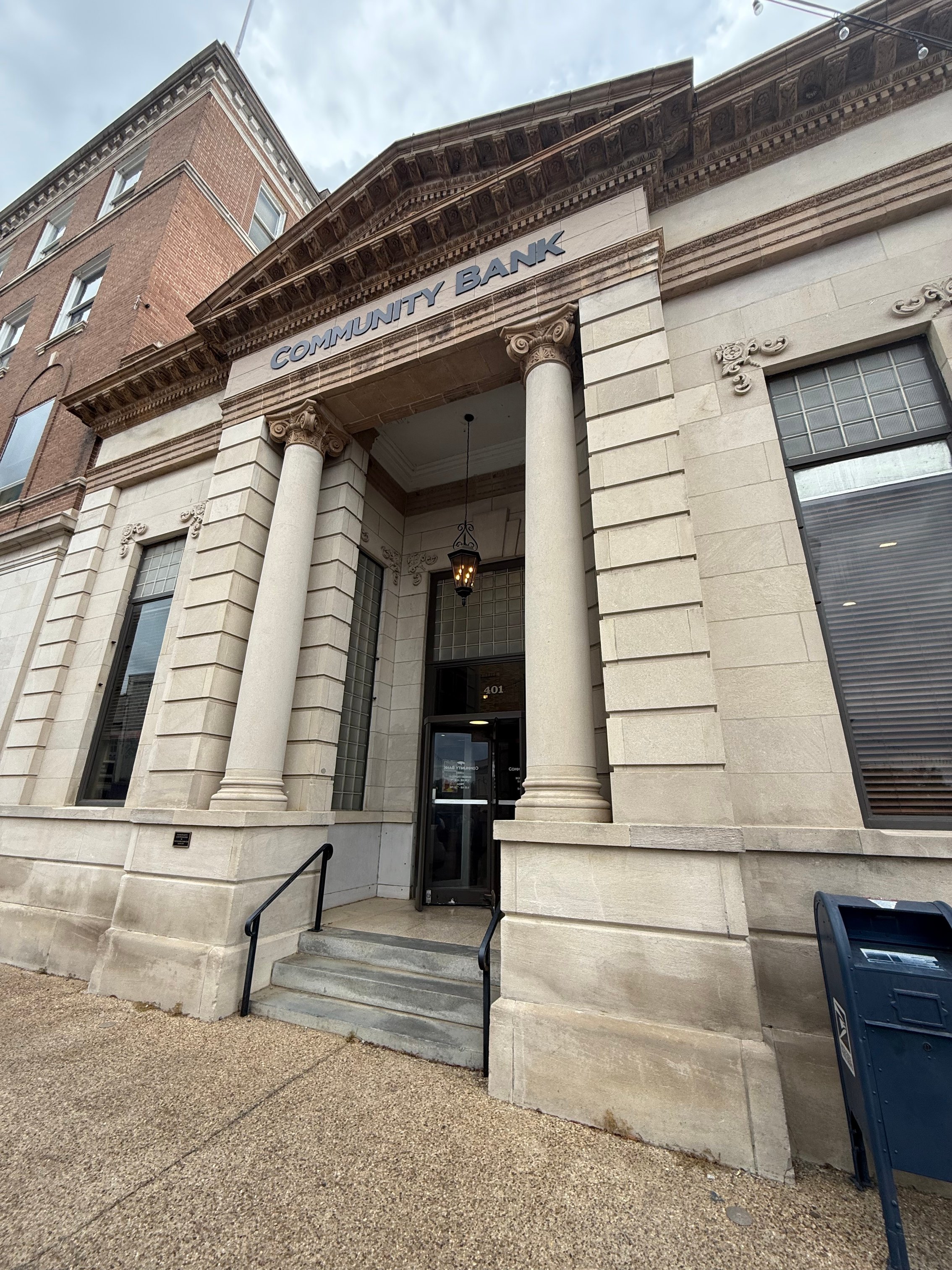
“Every win builds on the next,” Mayo said. “We understood their why. And when people perform — not just financially, but with integrity — you build something deeper than a loan agreement. You build trust. And trust builds communities.”
For Community Bank, the decision to fund the yellow house and every house after it wasn’t just about return on investment. It was about the legacy of being part of something greater. As Mayo put it, “It’s fun to build communities. Every loan has a story. Every project is a memory. And when I drive through Laurel with my kids, I get to say — we were part of that.”
Transformation You Can Touch
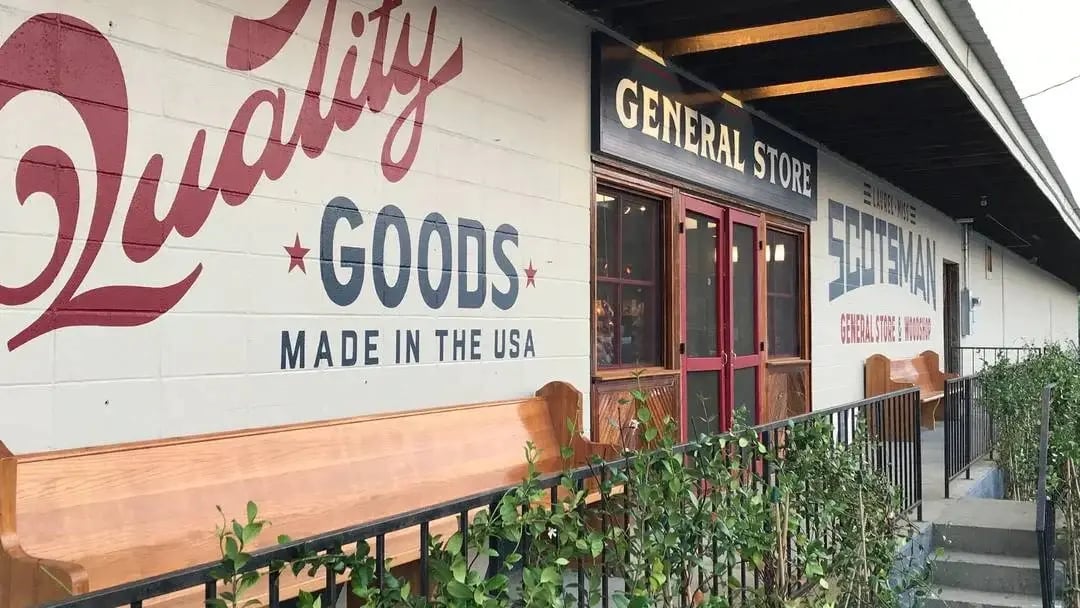 Photo from https://www.laurelmercantile.com/
Ben’s Scotsman Manufacturing now employs over 100 skilled workers. Erin’s design and homeware brands ship nationally, all from a hundred-year-old building downtown. The economic ripple is measurable.
Today, what was once vacant is vibrant. Storefronts glow with hand-lettered signs. Families stroll with dogs and kids. Artists set up booths on Saturdays. And the heartbeat of it all? A sense that this place matters again.
The couple’s second show, Home Town Takeover, brought that energy to places like Wetumpka, Alabama and Fort Morgan, Colorado — proof that Laurel’s success could scale. But the formula stayed the same: listen to the locals, trust their stories and don’t be afraid to say yes.
Baker Hill’s software quietly powers many of the community banks behind stories like these, enabling smarter decisions without losing the human touch. Built to simplify lending, the platform is designed to give community bankers more time to focus on what matters most: knowing the customers and believing in their dreams.
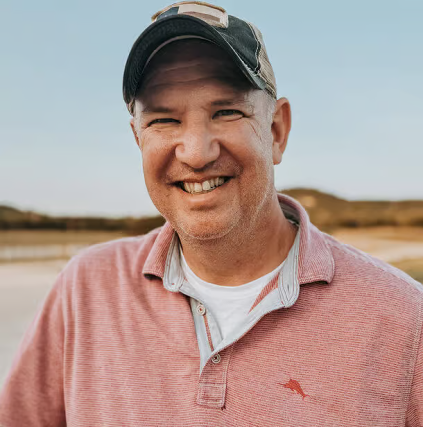
“The story of Laurel shows what’s possible when belief meets action. It’s a reminder that transformation doesn’t begin in spreadsheets; it begins in conversations, handshakes, and trust. At Baker Hill, our job is to make sure the tools don’t get in the way of the connection. We build platforms so that community banks can keep building relationships. Because when a banker believes in a dreamer, that’s where the real momentum starts. That’s how towns change. That’s how people find their place again.”
Because in communities like Laurel, it’s never really about algorithms. It’s about proximity. Familiar faces across desks. Real handshakes. Knowing someone’s name and story — not just their credit score.
For the Next Dreamer
Not every dreamer is on TV. Most are across a banker’s desk, nervous, as they describe their first bakery, gym or bookstore. They may not have a casting reel, but they have the most important thing: a vision. And all they need is someone willing to say yes.
In towns across the country, the blueprint is already there. Laurel proved it. So did Wetumpka. Fort Morgan is well on its way. Behind every success are people who believed enough to open their doors, sign their names and take the first step.
And in that moment — between the dream and the decision — community is reborn. The truth is, these aren’t just renovation shows. They’re people stories. And every one of us lives in a place that’s only one “yes” away from its next chapter. Because building better communities doesn’t start with software. It starts with people.
And we’re proud to help make those moments possible.