.svg "logo (1)")








.jpeg)
Commercial lending is navigating a rare convergence: accelerating technology, rising regulatory scrutiny, margin pressure, and heightened borrower expectations — all at once. At R/SE 2026, the conversations reflected that reality.
But beneath the discussions around AI, modernization, and execution, another theme quietly shaped the week: disruptive innovation.
Not disruption for its own sake. Not innovation detached from responsibility. But the kind Clayton Christensen described — the kind that begins by rethinking complexity, challenging assumptions, and creating simpler, more accessible ways of doing important work over time.
That idea surfaced early Monday morning.
Walter Isaacson challenged the room to rethink how progress happens. Drawing from decades of storytelling about innovation, leadership, and systems that endure, his message landed squarely with the audience: speed without discipline introduces fragility. Innovation without structure rarely lasts.
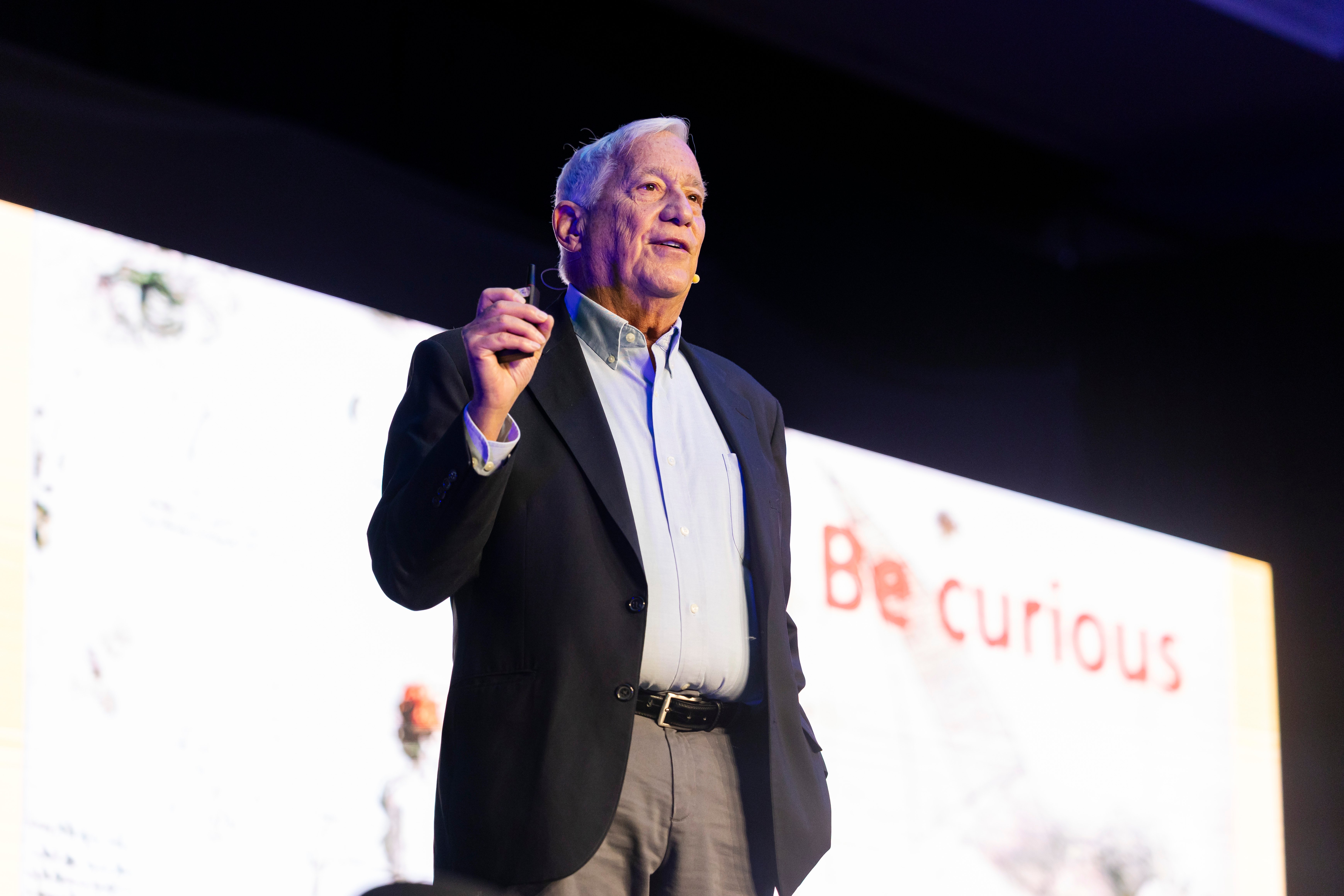
For institutions under constant pressure to modernize, the takeaway was sobering — and clarifying. Progress isn’t about chasing every possibility. It’s about making sound decisions, repeatedly, and executing them with care.
It echoed a sentiment Andy Ivankovich introduced in his opening letter to attendees: every generation of technology creates an opportunity to rethink how lending works — to simplify what has become unnecessarily complex and help community financial institutions compete in new ways. Not by imitating larger institutions, but by leveraging technology to become faster, smarter, and more connected to the people they serve.
.png?width=1200&height=900&name=Untitled%20design%20(37).png)
That framing carried through the rest of the program.
From Insight to Application
Across the main stage and breakout sessions, R/SE 2026 focused relentlessly on execution.
Small business lending sessions explored how banks are moving from effort-heavy, manual processes toward scalable operating models — without compromising credit quality. Strategic sessions examined how leaders are deciding what matters next, in a world where incremental fixes no longer suffice.
And underlying many of those conversations was a realization Christensen spent years exploring: the systems and processes that once made institutions successful can also become barriers to change. The challenge is not simply adopting new technology. It’s building organizations capable of evolving before pressure forces them to.
AI discussions cut through hype to focus on governance, measurable impact, and where automation truly delivers value today. Regulatory sessions reframed compliance not as a constraint, but as a forcing function — pushing institutions to align leadership, culture, and execution more tightly than ever before.
What tied these sessions together wasn’t technology for its own sake. It was judgment. Discipline. And the understanding that sustainable innovation only matters when it improves real work in durable ways.
Between sessions, the Solutions Showcase offered a different kind of engagement — hands-on, conversational, and grounded in how lending happens. Attendees didn’t just learn what solutions could do. They explored how connected systems reduce friction, surface insight, and support better decisions across the lifecycle of a credit relationship.
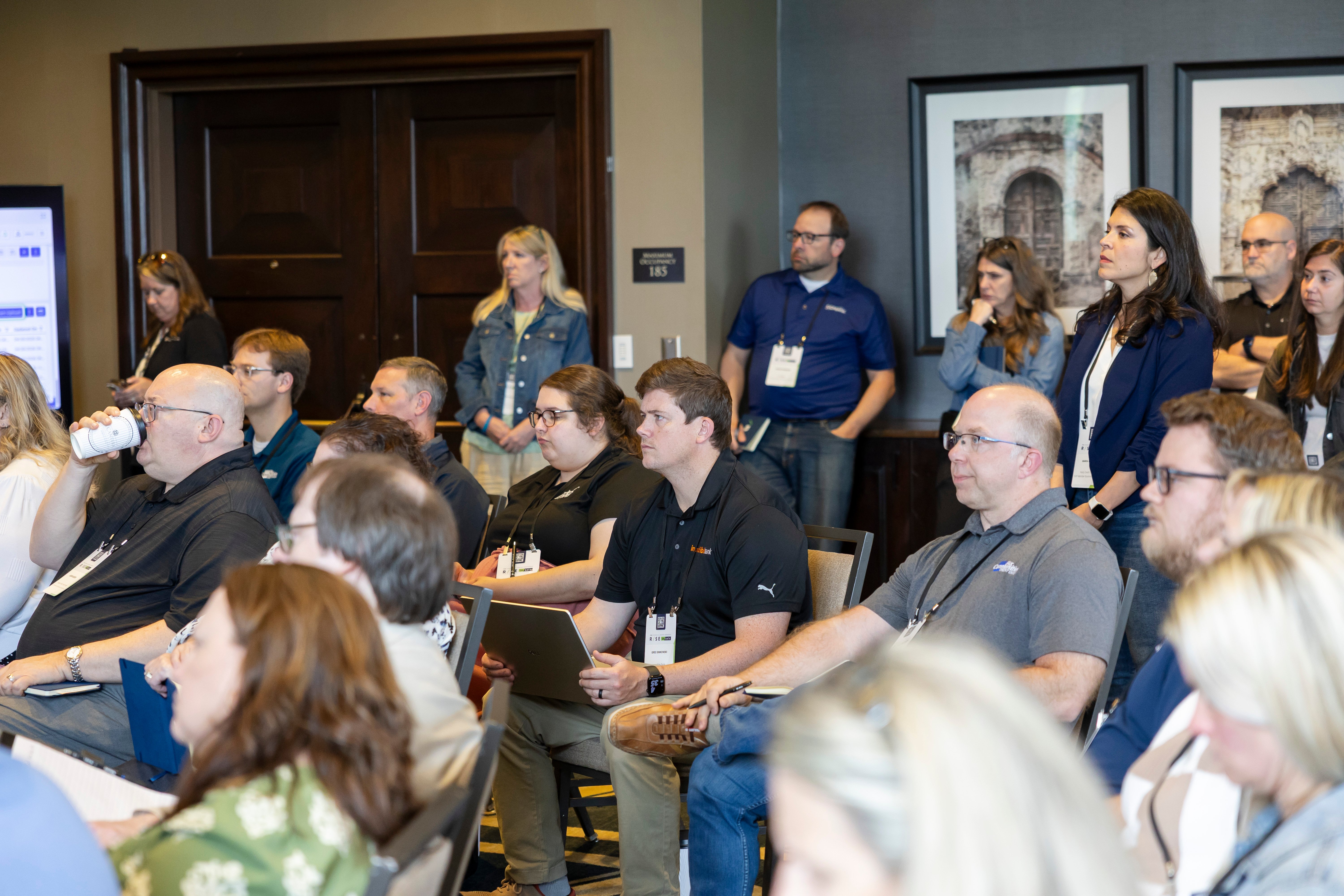
In many ways, it reflected the same philosophy behind disruptive innovation itself: meaningful transformation rarely begins as spectacle. It starts by making difficult work simpler, clearer, and more accessible for the people closest to it.
Energy, Connection, and Community
R/SE has always balanced substance with space for connection, and 2026 was no exception.
Monday night brought the energy up another notch with live music and conversations that carried well beyond the sessions themselves.
Tuesday sharpened the focus again.
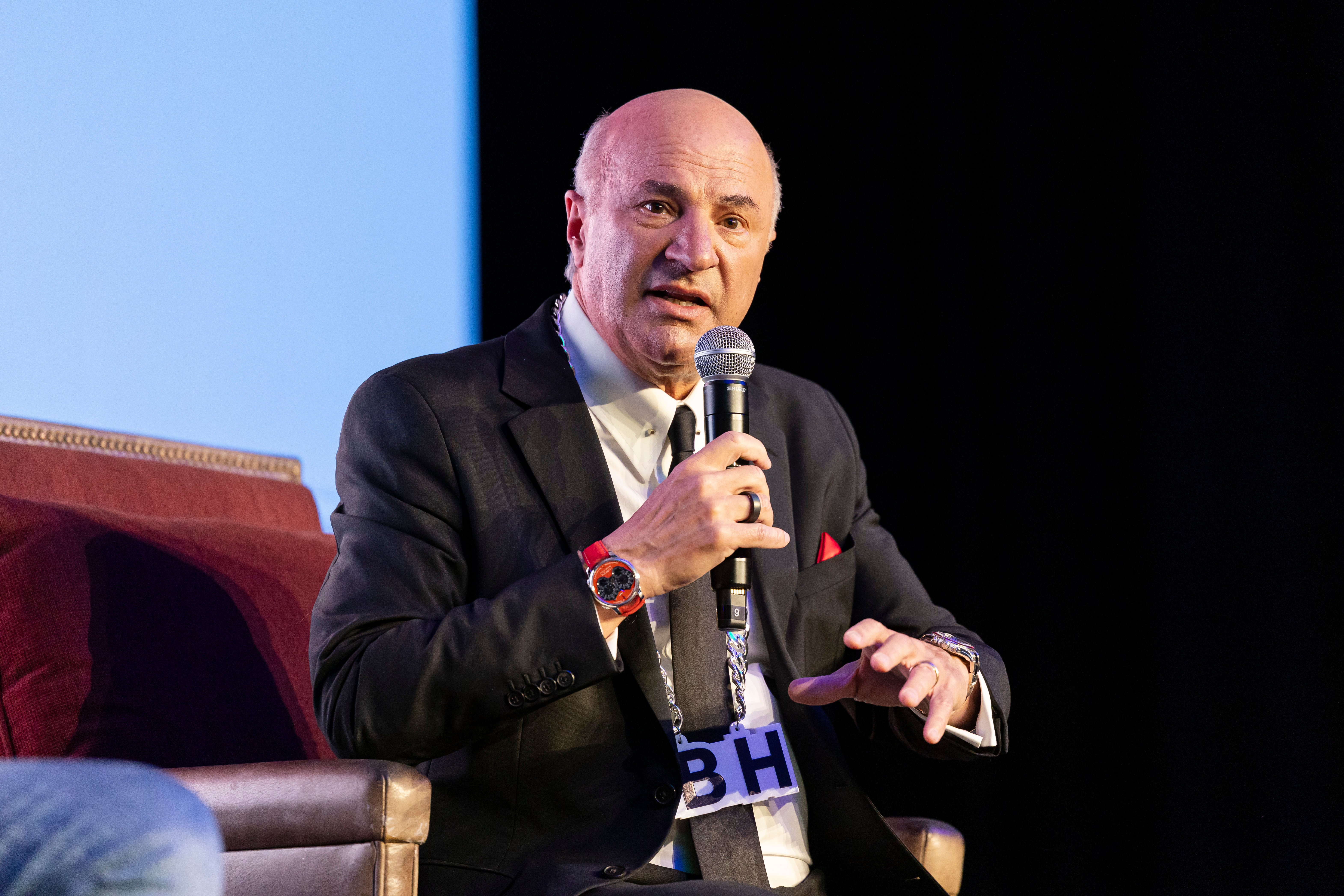
Kevin O’Leary’s closing keynote stripped growth back to fundamentals: accountability, structure, and measurable performance. In a market crowded with ambition, his message was clear — results matter more than narratives. Discipline isn’t conservative. It’s responsible.
As evening fell, the setting shifted to the Texas Hill Country, where attendees gathered for an offsite celebration at Singing Water Vineyards.
Playing for Something Bigger
For many, the conference extended into Wednesday with the R/SE Charity Golf Scramble benefiting the USO.
The scramble reflected something fundamental about this community: a shared belief that leadership includes service, and that success is measured not only in outcomes inside the institution, but also in impact beyond it. It was a fitting way to close a week defined by responsibility, stewardship, and long-term thinking.


What Comes Next
R/SE 2026 wasn’t about bold claims or sweeping predictions.
It was about clarity.
Clarity on where lending is headed. Clarity on what works — and what doesn’t. And clarity on the kind of execution required to move forward confidently in an environment demanding both innovation and restraint.
The week reinforced something Christensen argued throughout his work: disruption is rarely a single moment. It’s a gradual shift in how organizations think, build, and respond to changing expectations over time.
For banks and credit unions navigating what comes next, the message throughout the week was consistent: progress happens when strong decisions meet disciplined execution — over and over again.
And at R/SE 2026, that work didn’t feel theoretical.
It felt shared.
Click here to stay connected and receive updates for R/SE 2027.
What attendees said about #RISE2026 on LinkedIn

“This was one of the best, most productive conferences I have ever attended.”

“The stories shared by other FIs in the room were pure gold—real experiences from real people navigating the same landscape we all are.”